Working with fascia to enhance posture and movement
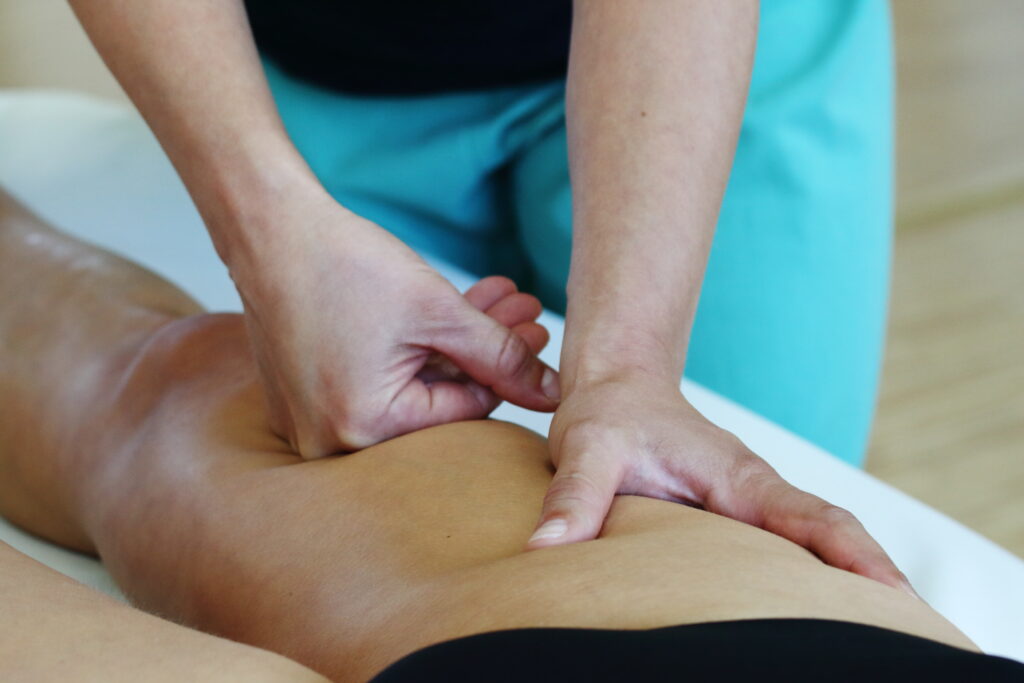
Fascia envelops all the structures in the human body – bones, muscles, organs, nervous and circulatory systems. It also plays a vital role in our posture and spatial awareness during movement (proprioception). Ida Rolf described Fascia as: “… the organ of form.” To successfully work with fascia is an important skill for bodyworkers, yet manual techniques and stretches only begin to address the complexity of this holistic organ of the human body.
We will examine fascia in its role as a tensional element in a bio-tensegrity system where with the structural element – the skeletal system, it gives each individual a unique posture and movement dynamic. We will examine posture, alignment, range-of-motion to learn how shortcomings in these create constraints and restrictions that often result in pain; it is where chronic pain is often revealed.
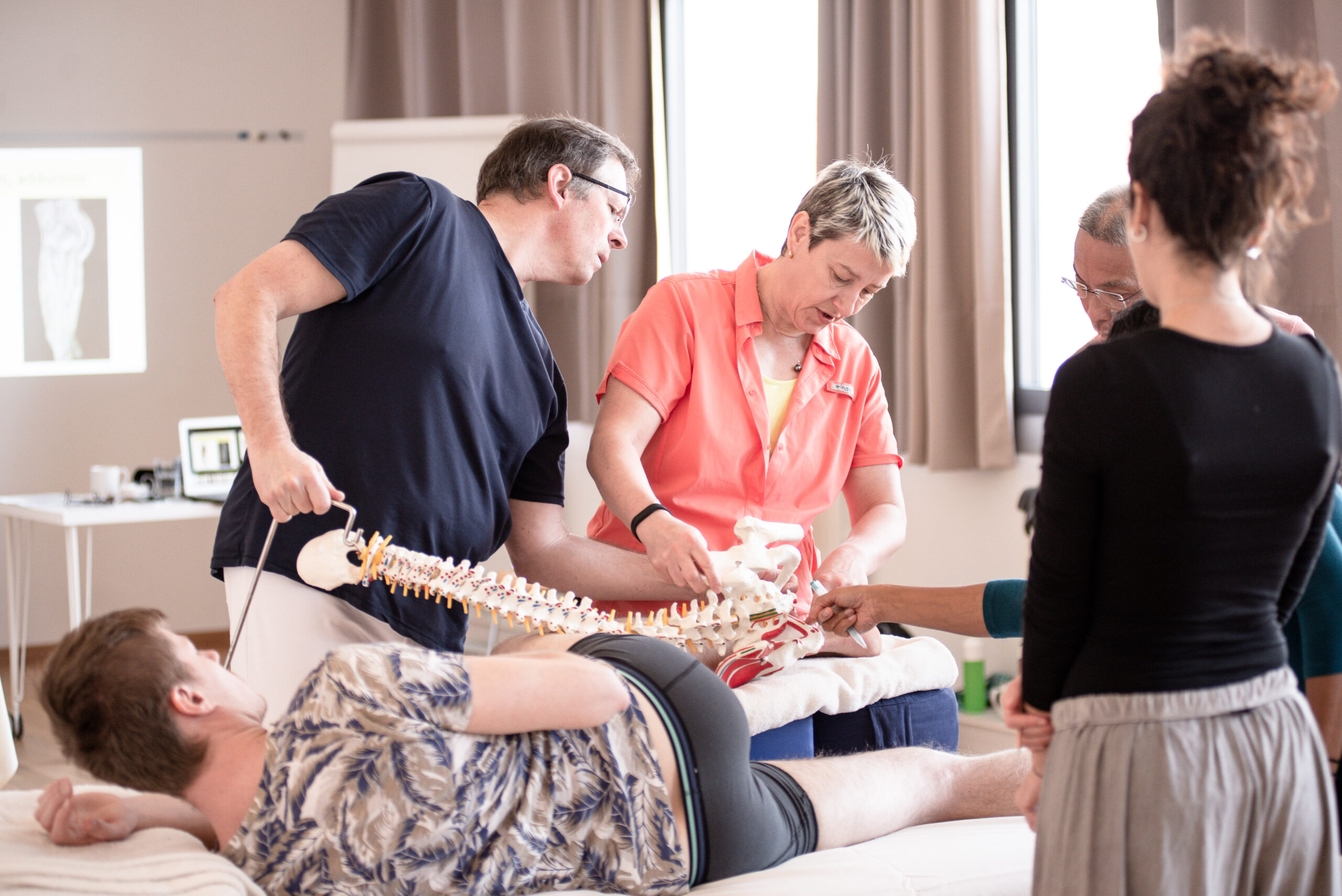
Through observation, movement and touch, students will learn to assess the human body (body reading) from a multi-dimensional perspective. This in turn, will guide the choice and order in which students will apply the intervention techniques taught during this course.
Four modules of three days filled with fascia
Each module will focus on a selected area of the body:
Module 1: Lower girdle – pelvis, legs, feet and toes — Foundation
Module 3: Connection of the Girdles – spine, thorax and viscera.
Module 4: Integration and “the Crown” — neck, cranium, face / primary sensory organs.
Entry level You can apply for this course after following year 2 of the Akademie. People outside the Akademie or students from year 1 of the Akademie can follow this course after following Module 0. In this module you will learn the basics (also in 3 days for € 375,-) to get you ready for module 1.
Module 0: Introduction This workshop will introduce students to concepts of bio-tensegrity and their use in understanding human posture and biomechanics. Several characteristics of fascia will be explored and their implications for human structure and posture. We will refine touch to better work with different fascial structures; sample techniques will be introduced and used to develop a better feel for the different fascial structures in the body. Terminology, assessment techniques and embodiment techniques will also be covered.
Every 3-day module will include:
Anatomy and physiology specific to the body region being addressed.
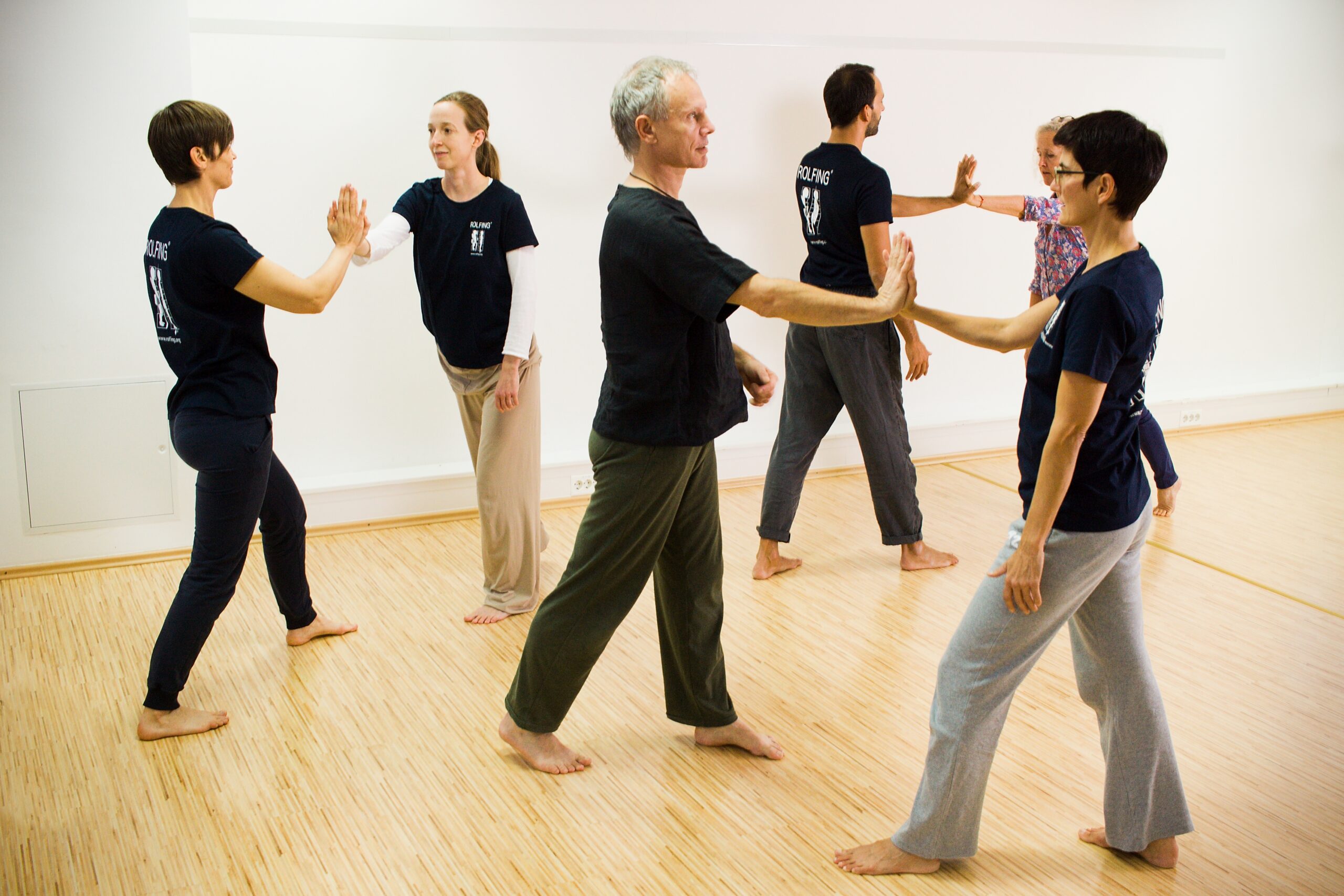
Movement practices to highlight properties and characteristics of proper function.
Multi-dimensional assessment of each body region within a whole-body perspective and a discussion of common pathologies.
Manual and movement intervention techniques & student exchange practicums.
Clinical Application of the learnings in each module through a supervised session to 3rd party models (external clients).
“This course is focused on the structure and movement of the fascia.”
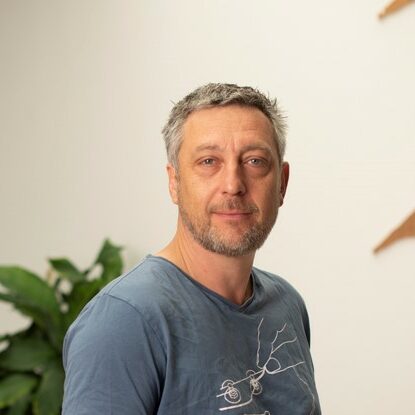
John Armstrong
Fascia needs a sensitive touch
The course focuses on developing and refining a sensitive, receiving touch, so that students may “listen” to their clients to determine the correct pressure, duration and direction of your interventions. Use of manual tools (fingers, knuckles, fist, forearm, elbow) is demonstrated and developed further with suggestions on the best tools to use for the techniques. During student exchanges special attention will be given to body use to develop awareness and best-practices to protect practitioners from injury. Key to this workshop series is the pragmatic/practical selection of techniques and progression of work that can immediately make an impact for anyone working in the bodywork professions. What makes this program unique is that each element of this program – anatomy, movement, touch and techniques are specifically focused on providing an integrated, simple, effective and powerful approach that can be easily learned and practiced. In this context, learning to apply deep tissue / fascia techniques are taught in a dynamic, whole-body framework addressing posture and movement. This is not a symptom/technique approach.
Learning perspectiveAbout the trainer
Learning perspective
After this program, students can see how:
1. Posture, alignment and movement are associated with chronic pain;
2. Posture and movement patterns correlate with client complaints, body experience, restrictions in movement;
3. To work with fascia within a holistic approach to resolving body tension;
4. To further develop their touch to address different levels of tissue;
5. To apply specific techniques for selected parts of the body;
6. To apply sequences of techniques to build greater results;
7. Exercises & movement can help to embody the structural aspect of this work and provide additional support to manual work performed on the table;
8. Develop more advanced approaches to client guidance during sessions (attitude, communication, choices of interventions and management of a session);
9. To view client sessions in the context of series of work vs. individual sessions:
10. To monitor and apply self-care when working with clients — physically, mentally and emotionally.
Trained by the European Rolfing® Association in Munich, he studied with several prominent Fascia and Rolfing® Structural Integration experts :
Dr. Robert Schleip (Fascia Project, Technical University of Munich)
Dr. Peter Schwind (author of numerous books on Fascial Manipulation)
Michael Salveson (first Instructor certified personally by Dr. Ida Rolf).
With degrees in Psychology, Engineering and Business, John brings his broad education and international experience to his approach to bodywork and teaching. Personal interests include the effects of workplace and nutrition on fascia tension patterns and health, spinal and nerve-related conditions, chronic inflammation/pain management. Active in private practice, he has three locations – Amsterdam-Noord, Apeldoorn & Zwolle. For more information see: www.evolutionrolfing.com.
Akademie is een onderdeel van Esoterra. De administratie wordt verwerkt door Esoterra. Bij een bestelling word je doorverwezen naar het betalingsportaal van Esoterra.
Sportmassage opleiding niet altijd de beste start voor een massagecarrière
Een sportmassage opleiding wordt door veel mensen gezien als een goede basis om het vak als masseur of massagetherapeut in te stappen. Toch is dit voor de meeste mensen die iets met massage willen doen NIET de ideale basis. In deze blog leggen we uit wanneer je beter wel een sportmassage opleiding en wanneer je beter niet een sportmassage opleiding kunt volgen.
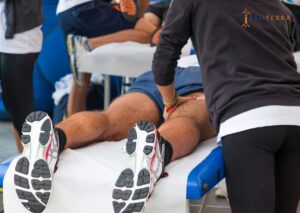
Het verschil tussen een sportmasseur en een ‘gewone’ masseur of massagetherapeut is al direct te merken als je gaat liggen. Sportmasseurs werken met een behandeltafel; een stevige, harde tafel waar je niet voor je plezier op ligt. De masseur/ massagetherapeut werkt vanuit comfort en zorgt ervoor dat je lekker ligt en optimaal kunt genieten van de massage.
De NGS, Nederlands Genootschap Sportmassage is een organisatie die al sinds de jaren ’30 van de vorige eeuw de belangen van de sportmasseurs verzorgt. Zij nemen ook de examens af voor het diploma sportmasseur. Daarnaast is er afgelopen jaren bij de NGS ook de wellness masseur bij gekomen. Het NGS behartigt als ledenorganisatie de belangen van ruim 5.000 sport-, sportzorg- en wellnessmasseurs in Nederland. Het NGS vertegenwoordigt de branche in het contact met belangrijke partijen zoals:
Overleg met de landelijke overheid
Zorgverzekeraars
NOC*NSF en sportbonden
Evenementenorganisatoren Ketenpartners, zoals (sport)fysiotherapeuten en sportartsen
Speerpunt voor de komende jaren is het positioneren en profileren van de sport-, sportzorg- en wellnessmasseurs in de (sport)gezondheidszorg en maatschappij, zodat o.a. cliënten de weg nog beter weten te vinden naar zowel de sport-, sportzorg- en wellnessmasseur. Ook richting sportevenementen zal de meerwaarde van de inzet van masseurs tijdens het evenement duidelijk worden gemaakt.
De sportmasseur
De sportmasseur is iemand die zich beroepsmatig of in zijn vrije tijd bezig houdt met het begeleiden van sporters. Uitgangspunt van het handelen van de sportmasseur is het treffen van maatregelen ter verbetering van de fysieke gesteldheid van de sporter en ter voorkoming (van herhaling) van blessures. De voornaamste handelingen van een sportmasseur zijn het masseren en tapen/bandageren. Door de aard van de werkzaamheden krijgt de sportmasseur te maken met vertrouwelijke informatie. Hier gaat hij integer mee om. Hij vraagt toestemming aan de sporter wanneer hij gegevens, die het slagen van de behandeling vergroten, verstrekt aan derden. De sportmasseur kan zich inleven in de sporter en toont empathie en houdt daarbij een zekere afstand (beroepsethiek).
De sportmasseur neemt basis functietesten af, informeert, adviseert, masseert, tapet en bandageert.
De sportmasseur werkt zelfstandig aan de hand van protocollen en is verantwoordelijk voor het behalen van het doel dat hij bij zijn sporter wil bereiken.
De sportmasseur heeft een ondersteunende en begeleidende rol naar de sporter toe daar waar het gaat om preventie van blessures en verbetering van de conditie van de sporter.
De sportmasseur legt gegevens vast zodat hij verantwoording kan afleggen aan de sporter. Daarnaast is het zijn verantwoordelijkheid dat de gegevens van zijn handelen inzichtelijk en overdraagbaar zijn aan anderen. De sportmasseur werkt samen met sportkader en (para-)medici binnen de vereniging.
Tussen de sporters
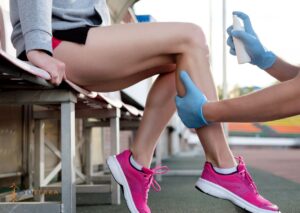
Als sportmasseur leer je dus om vooral sporters te begeleiden; voor en na de wedstrijd met technieken uit de klassieke massage die volgens een vast protocol worden uitgevoerd. Ook leer je tapen en bandageren. Een duidelijke functie omschrijving die goed werk kan verrichten op en rond de sportvelden. Elke amateurclub heeft een (al dan niet vrijwillige) sportmasseur die met de wedstrijden meegaat en meestal ook een EHBO diploma op zak heeft.
De vakken van de sportmassage opleiding zijn over het algemeen:
Anatomie
Toegepaste fysiologie
Massagetheorie en -praktijk
Kwaliteitszorg
Sporthygiëne
Sportmassage opleiding: ja
De sportmassage opleiding is dus ideaal als je sporters wilt begeleiden. Je leert een gedegen kennis van de anatomie, massage en andere zaken om de sporters te helpen met hun sport. De massage is meestal stevig en snel en gericht op de doorbloeding van de spieren. Lekker als je een beetje stijf aan een wedstrijd moet beginnen of als je klaar bent met sporten.
De sportmasseur heeft meestal een aparte kamer of werkt in de kleedkamer van de sportclub en kan een aantal (blessuregevoelige) sporters ondersteunen.
Sportmasseurs kunnen geen klachten behandelen; daarvoor dienen ze door te verwijzen naar een fysiotherapeut. Ook geven sportmasseurs geen deep tissuemassage.
Sportmassage opleiding: nee
Als je een volledige mensgerichte of ontspannende massage wilt leren geven ben je met sportmassage juist aan het verkeerde adres. Het is dan ook een raadsel dat deze massagevorm bij veel sauna’s wordt aangeboden. Waarschijnlijk komt dit omdat sportmassage en de NGS als enige een vorm van erkenning aanbieden waardoor een sportmassage opleiding goed in elkaar zit. Het is alleen een sportmassage, een stevige ruwe massage die bedacht is voor sporters. In een sauna willen de meeste mensen lekker ontspannen.
Sportmassage is ook geen holistische benadering van lichaam en geest. Als je het lijf als één geheel ziet en vanuit contact wilt werken ben je bij sportmassage aan het verkeerde adres. Bij sportmassage wordt gewerkt met vaste protocollen en is een paramedische benadering gewenst.
Als je massage als therapievorm wilt inzetten is een opleiding tot massagetherapeut vereist. Massagetherapie is vooral de laatste jaren en internationaal enorm aan het ontwikkelen. Veel klachten kunnen door een massagetherapeut worden behandeld. Waar vroeger een massagetherapeut meer vanuit een spirituele benadering werkte is de moderne massagetherapeut professioneel en slagvaardig en kun je er terecht voor fysieke klachten alswel voor emotionele of psychosomatische klachten.
Wil je een sportmassage opleiding volgen dan zijn er tal van aanbieders te vinden bij jou in de buurt. Voor de beste opleiding masseur en opleiding massagetherapeut ben je uiteraard bij ons aan het juiste adres.
Als het over spierpijn gaat denk ik meteen aan die ene avond lang geleden……Als 17jarige puber wilde ik breed en gespierd zijn als Bruce Lee of Schwarzenegger. Dus ging ik op een donderdagavond op de fiets naar de sportschool in Doorn. De hele avond zat ik aan allerlei apparaten om mijn biceps te laten groeien. Voldaan fietste ik s’avonds weer terug en voelde ‘iets’ in mijn armen gebeuren. De volgende ochtend werd ik gillend wakker en ik kon mijn armen niet meer strekken. In paniek dacht ik de rest van mijn leven door te moeten brengen met armen die niet konden strekken. Met veel pijn en moeite kon ik me aankleden en werd de pijn in de loop van de dag minder.
Spierpijn we kennen het allemaal wel. Na een fanatieke inspanning of op een andere manier. Spierpijn is niet altijd hetzelfde. De symptomen van spierpijn kunnen erg van mekaar verschillen. Rugpijn is bijvoorbeeld helemaal anders dan spierpijn in de benen. Ze moeten ook anders behandeld worden. Er moet ook onderscheid gemaakt worden tussen verschillende categorieën spierpijn. Dat wil zeggen dat een kneuzing of een verstuiking ook onder spierpijn kan vallen, maar de behandeling kan hierbij anders zijn. Een blessure dien je ook anders te behandelen dan spierpijn die vanzelf opspringt. Maar zoals het gezegde gaat. ‘Beter voorkomen dan genezen’.
Spierpijn is pijn in je spieren en wordt ook wel myalgie genoemd. Je spieren zijn verantwoordelijk voor de bewegelijkheid van je skelet. Je kunt verschillende bewegingen maken doordat je spieren afwisselend samentrekken of ontspannen.
Spierpijn is iets wat je als massagetherapeut goed kunt behandelen. Daar zijn diverse methoden voor die je bij ons kunt leren. Van stevig tot subtiel:
Er zijn twee vormennamelijk vroege en verlate spierpijnen. Vroege spierpijn is een brandend gevoel in je spieren dat ontstaat tijdens of vlak na inspanning. Deze pijn wordt veroorzaakt door opstapeling van melkzuur in je spieren, die de zenuwuiteinden prikkelen waardoor pijn ontstaat. Melkzuur is een afvalstof die ontstaat bij het maken van energie uit glucose (suiker). Deze afvalstof wordt afgebroken in je lever. Als er meer melkzuur wordt geproduceerd dan je lever af kan breken, hoopt het melkzuur zich op in je spieren en krijg je last van verzuring. Je spieren voelen dan verkrampt aan.
Verlate spierpijn
Een andere vorm van spierpijn is verlate spierpijn. Deze spierpijn krijg je pas 24 tot 48 uur nadat je hebt gesport. Verlate spierpijn wordt veroorzaakt door hele kleine scheurtjes in je spiervezels, waardoor je spieren pijn doen en minder belastbaar zijn. Deze spierscheurtjes zijn zo klein dat ze niet slecht voor je zijn. De scheurtjes zorgen er juist voor dat je sterker wordt. Je lichaam gaat de scheurtjes herstellen en er ontstaat een supercompensatie. Dat wil zeggen dat je lichaam zich herstelt boven het oorspronkelijke niveau en zich voorbereidt op de volgende zware belasting door extra spiervezels aan te maken.
Bij een sportblessure, kneuzing, verstuiking of verstijving, is het belangrijk dat het getroffen deel direct wordt afgekoeld met ijs. Leg het lichaamsdeel zoveel mogelijk omhoog, om te voorkomen dat er teveel bloed in stroomt waardoor het nog meer op gaat zwellen Neem hiernaast meer rust dan normaal. Om de pijn verder te verzachten kun je eventueel nog een paracetamol of andere pijnstiller nemen.
Oorzaak van spierpijn
Vroege spierpijn wordt dus veroorzaakt door ophoping van melkzuur in je spieren. Verlate spierpijn wordt veroorzaakt door minuscule spierscheurtjes in je spiervezels. Deze spierscheurtjes kunnen ontstaan door overbelasting. Ook kan het zijn dat je spierpijn krijgt door een slechte warming-up. Verder kun je spierpijn krijgen als je van een warme naar koude omgeving gaat.
Spierpijn kan ook een symptoom zijn van andere ziektes. Dan wordt de pijn vaak veroorzaakt door het vrijkomen van stoffen door spierbeschadigingen, zoals bij fibromyalgie. Ook kun je ook spierpijn krijgen als gevolg van een ontsteking, bijvoorbeeld bij longontsteking. Daarnaast kun je ook last van pijn in je spieren hebben, als je griep of een andere virale infectie hebt.
Als je spierpijn hebt, heb je meestal last van een zeurende pijn in de aangedane spier. Je spier kan stijf zijn. Als je op de spier drukt, neemt de pijn toe. Welke spieren pijn doen is afhankelijk van welke spieren je getraind of overbelast hebt, maar spierpijn in de armen, benen of buik komt vaak voor. Ook je rugspieren kunnen overbelast raken, waardoor je (lage) rugpijn krijgt. Daarnaast kan pijn in je nek tot hoofdpijn leiden.
Veel klachten aan de spieren kunnen ook ontstaan door langdurige onbewuste aanspanning van de spieren. Vooral de schouderspieren worden bij stress onnodig lang aangespannen. Dit geeft stijve spieren met allerlei symptomen tot gevolg. Om de schouderspieren goed los te masseren kun je de cursus schouderklachten masseren volgen.
Preventie
Door een goede warming-up te doen, bereid je je spieren voor op de inspanning die gaat komen. Je bloed gaat sneller stromen en je spieren worden warmer. Daardoor is de kans op spierscheurtjes kleiner. Ook is het belangrijk om na de inspanning een cooling-down te doen. Door de inspanning geleidelijk af te bouwen, past je lichaam zich beter aan aan de overgang van inspanning naar rust.
Verder is het belangrijk dat je je spieren na inspanning laat herstellen. De spierscheurtjes die zijn ontstaan moeten worden hersteld. Als je niet genoeg rust houdt na de inspanning, kan er ook geen supercompensatie optreden. Hieronder een overzicht van maatregelen waarmee je spierpijn kunt voorkomen.
Beweging is erg belangrijk.
Aangepaste fitnessoefeningen voor beginners.
Zwaardere fitnessoefeningen voor gevorderde.
Buig altijd je rug mooi recht.
Als je vaak stilstaat, buig na lichtjes door je knieën.
Als je moe bent, laat je spieren dan rusten.
Zorg altijd voor een goede werkhouding tijdens het werken.
Neem regelmatig een warm bad.
Laat je spieren masseren!
Bronnen:
Gezondheidsplein
Mens & Gezondheid
Gerelateerd lesaanbod
Onderstaande cursussen en opleidingen gaan dieper in op bekkenklachten en hoe je deze kunt behandelen.
Docent Menno Dam
Alleen rust kan je helpen!
Hoe ben je in het vak van massage, massagetherapie of lichaamswerk gerold?
De Passie masseren heeft altijd in mij gezeten, maar pas nadat ik zelf ‘echte’ massages mocht ontvangen, heb ik ervaren wat het met een mens kan doen (intussen weet ik ook dat dieren baat bij massage hebben). In 1998 leerde ik in Bangkok de klassieke Thaise massage, deze massagevorm gaf ik in eerste instantie voornamelijk aan bekenden. Met de aanvulling van stoelmassage ben ik professioneler gaan masseren. In 2005 heb ik daarom besloten om fulltime masseur te zijn. Door mezelf steeds te blijven ontwikkelen ben ik intussen gespecialiseerd, dmv zachte technieken, in het verhelpen van myofasciale pijnen. Het is een genot en een voorrecht om mijn kennis en ervaring niet alleen in te zetten maar ook te mogen delen.
Wat vind je zo bijzonder aan het vak van masseur / massagetherapeut?
Voor mij is het altijd weer bijzonder wat er in korte tijd kan gebeuren. Zeker wanneer de client bewust is gemaakt van stagnaties in het myofasciale weefsel, kan het systeem heel snel ontspannen (noem het resetten). Door dit samen met de client in vertrouwen te mogen doen, is altijd weer speciaal.
Wat wil je studenten meegeven?
Studenten uitdagen en motiveren om bewust te ervaren wat; a) een krachtige en prachtige tool de handen zijn b) hun eigen mogelijkheden met die handen zijn.
We kijken ernaar uit om je te ontmoeten en samen te werken aan een gezonder, gelukkiger en meer bewust leven!
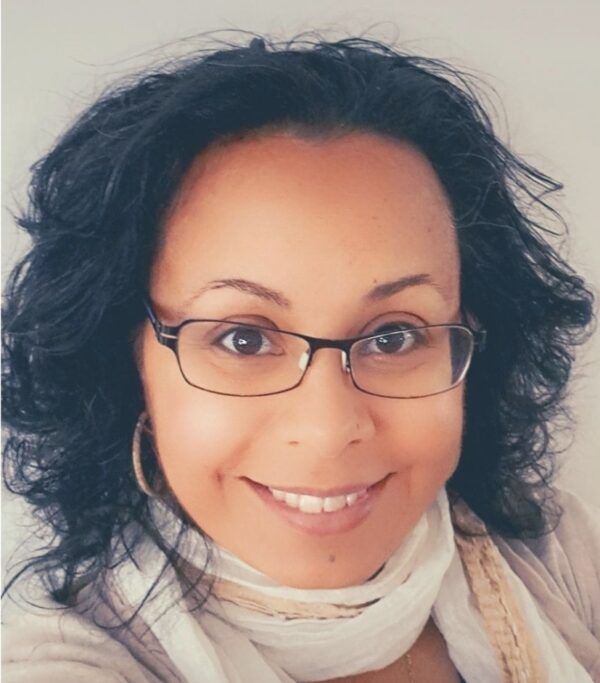
Docent Nedra van de Reep
Live to give
Nedra van de Reep, is originally from the US and has been living in The Hague since 2015. She is a New York Licensed Massage Therapist and has created a unique style of Therapeutic Massage and Bodywork by integrating various modalities from her 1000 hours of on campus education. Nedra has described her work as a moving meditation. A Kinaesthetic Awareness through Movement for client and therapist. She has sustained a 16 year career by leaning on her education in Body-Mechanics which is a must in a long-term practice in Therapeutic Massage and Bodywork.
During class instruction she uses a variety of techniques to guide her work and to show how touch can facilitate healing.
Nedra’s earlier study was that of human behavior. She graduated from Curry College, earning a Bachelors Degree in Psychology. With her minor being Dance, the transition to study Therapeutic Massage and Hydrotherapy was as natural as breathing. And just like breathing, the awareness of it’s influence to change and channel a sense of calm is a gift she loves to share. A moving meditation for her students to experience is a joyful influence she finds to be so dear.
She arrives to Esoterra with an infusion of knowledge wishing to inspire the ability to treat the entirety of a human being. To treat the soft tissue pathology while at the same time knowing how to hold ones heart in they’re hands.
She graduated in 2010, and carries within herself the educated passion to teach: Kinaesthetic Awareness through Movement, Medical Massage, Connective Tissue Therapy, Swedish Massage, Lomi-Lomi Massage, Reflexology, Shiatsu, Neuromuscular Therapy, and Massage during Pregnancy.
She puts the power of intention into her work teaching transitions that are fluid and that feel without end. She teaches students the importance of staying quietly concentrated into what they are feeling, to listen to the breath and watch the body for non-verbal cues and to the stories that it holds. She address the web of its connected tissue that spreads from head to toe, teaching students how to sinks into it all, and how the body can become like molding clay – full of possibilities. At times students will feel as if they’re in an active or passive dance. Her goal is to inspire students to move fluidly and to have the awareness ofself and their body-mechanics. To use passive range of motion and active resistance to bring a global awareness for their future clients. Thus releasing tension so that they may go beyond the limitations that brought them in. She encourages students to question : “How does this touch, How does this depth, How does this stretch – make you feel?” To value their fellow student’s time and how they’re techniques will be effecting change in the people they come in contact with.
Nedra teaches how to untangle the patterns of pain and how important the power of intension, the power of stillness, and the power of informed touch is. Each class builds upon the next. Again and again the depth of her knowledge and work is guided by the classes trust and permission. Working within their level of comfort, using techniques that were taught to her which help to calm the mind and central nervous system. The outcome of her classes are for her students to have a portfolio of treatment techniques that are deeply-relaxing and profoundly effective and for them to love what they can do!
We kijken ernaar uit om je te ontmoeten en samen te werken aan een gezonder, gelukkiger en meer bewust leven!
Rolfing® Structural Integration’s (SI) aim is to improve structure, posture, and movement and is based on these key elements of Dr Ida Rolf’s work on Structural Integration.
Rolfing incorporates these elements and the study of new scientific research within the fields of Fascia, Functional Anatomy and Movement education.
The Myofascial Foundation (Level 1) is our flexible introduction to the world of bodywork from a Rolfing® perspective and is open to everyone. You’ll gain a solid understanding of myofascial bodywork and movement principles. Explore the curriculum through three core topics Touch, Movement and Anatomy. This page explains who the workshops are for and what you’ll learn.
have no previous experience in myofascial bodywork and want to find out if it is right for you
want to explore the benefits of myofascial bodywork for your own wellbeing.
work as a manual therapist, osteopath, or pilates or yoga instructor and want to expand your professional skills
are a singer, dancer or actor and want to explore how myofascial bodywork can help improve your technique and delivery
are a psychotherapists or coaches who would like to establish a connection to the body within your work
are thinking about becoming a Rolfer
Workshop topics
Workshops are grouped into three topics:
Movement
Anatomy
Touch
AnatomyTouchMovement
Insight Level 1 Anatomy 1, Anatomy 2 and Anatomy 3
These three 3-day Rolfing workshops introduce you to anatomy, based on principles developed by Dr Ida Rolf. You’ll be taught by a Faculty Member of the Dr Ida Rolf Institute Europe, using a mix of practical exercises and theory.
You’ll learn about
the basics of human anatomy
using your fingers and hands to explore the body through touch (also called ‘palpation’)
the anatomy of the lower part of the body – feet, legs, and pelvis
learning the basics of anatomical terminology
different cells and tissues in the body
discover the topography of the body from ‘bony landmarks’ to ‘fascial planes’
You’ll learn about
the anatomy of the upper part of the body from shoulder girdle to hands and face
deepening your skills in touch (palpation)
how anatomical structures develop in the embryo
You’ll learn about
the anatomy of the chest and abdominal cavity
exploring different transverse structures in the body, such as the respiratory diaphragm or the pelvic floor
how Rolfers understand the idea of the ‘core’ as containing and contained structures within the body
how the fascial system is a sensory organ with a relationship to the nervous system
Insight Level 1 Touch 1, Touch 2 and Touch 3
These three 3-day Rolfing workshop introduce you to manual bodywork, based on principles developed by Dr Ida Rolf. You’ll be taught by a Faculty Member of the Dr Ida Rolf Institute Europe, using a mix of practical exercises and theory.
You’ll learn about:
the body’s fascial connective tissue system
using your fingers and hands to explore the body through touch (also called ‘palpation’)
feeling different layers of the body, like the skin, fascia, muscles, and bones
understanding movement patterns and posture
exploring the lower body – feet, legs, and pelvis
using your hands as your tools
creating strength by using your body weight
learning how to ‘body-read’
how Rolfers approach their work
establishing clear boundaries in the therapeutic relationship
You’ll learn about:
exploring the upper body – hands, arms, and shoulder girdle
fine-tuning your touch skills to the needs of different people
developing a wider variety of touch, direct and indirect, firm and light, listening and following
deepening your understanding of how to ‘body-read’
continue learning about how Rolfers approach their work
working with clients in different positions – lying down, sitting, and standing
You’ll learn about:
exploring the trunk – chest and abdomen
continuing the explorations of the first two Touch workshops
experiencing how the fascial network connects different parts of the body
how Rolfing touch can address restrictions in range of movement and fascial pathways
At the end of this workshop, you’ll have an opportunity to demonstrate what you’ve learnt, under your teacher’s supervision.
Insight Level 1 Movement 1, Movement 2 and Movement 3
These three 3-day Rolfing workshops introduce you to movement in gravity, based on the principles developed by Dr Ida Rolf. You’ll be taught by a Faculty Member of the Dr Ida Rolf Institute Europe, using a mix of practical exercises and theory.
Modules
You’ll learn about
exploring how we live and move in gravity
posture as a dynamic process
how standing upright requires interaction between muscles, coordination, and perception
You’ll learn about
how breathing involves the whole body
perceiving spaciousness within your body
exploring your body’s relationship with the outside world
discovering what could prevent the breath from flowing freely
You’ll learn about
the dynamics of walking
how all parts of your body work together to create stability and mobility
contralateral walking (moving the opposite arm and leg) and how it promotes balance and lift in the body
How to choose the workshop that’s right for you
You can book individual Level 1 courses at any time, for further training or to try them out. For faster (=taster) courses, we recommend the first courses (Movement 1, Anatomy 1 or Touch 1).
If you need any information, please send an email request to Andrea Nossem from the Dr. Ida Rolf Institute Europe in Munich: andrea.nossem@rolfing.org or call her under 0049 – 89 543 709 – 43. All nine courses are compulsory, if you want to continue towards Level 2 and Level 3 in Munich to become a Rolfer®.
What to expect in class
During the workshops:
you’re taught using a mix of practical exercises and theory
you’ll work in pairs or small groups to explore and practice the course content
you’ll get plenty of support as there’ll be one teacher for every 10 students and no more than 20 students per class
your teacher is a faculty member of the Dr. Ida Rolf Institute Europe
there’ll be some preparatory reading and homework
What you’ll receive at the end
For each workshop that you complete, you’ll receive a confirmation of participation. You will receive a certificate for participation in the Myofascial Foundation if you have attended all nine workshops.
Locations and languages
We run the Rolfing Myofascial workshops in English at Esoterra Akademie Amsterdam ( previously: Akademie voor massage en beweging in Amsterdam).
Costs
The cost per workshop is € 620,- unless otherwise stated. If you wish to follow all courses the costs are € 5580,-.
Workshop stages
In each topic, you’ll explore the curriculum in three stages, each stage building on what you learnt. Each workshop focuses on a particular part of the body, set of skills or concepts.
Meet your Rolfing teachers
Your teachers are part of the faculty of the Dr. Ida Rolf Institute Europe with years of international experience as Advanced Rolfers. They’re leaders in their field and all have completed the rigorous teacher training at the European Rolfing® Association e.V. They’re committed to providing you with individual feedback and help you gain confidence with key concepts and new skills.
Register for your preferred workshops using the form on the Rolfing website. Choose the workshop(s) you want to participate in and fill in your contact details. After registering, you will receive a confirmation e-mail from the Dr. Ida Rolf Institute invoice from Esoterra.
Rolfing®, Rolfer® and the “Little boy logo” are registered trademarks of The Rolf Institute of Structural Integration (RISI) – Boulder CO (USA).Only professionals trained and accredited can practice this technique. Esoterra has the license to use these trademarks for the training of Rolfing training Level 1in Netherlands.
Who these Rolfing® workshops are for
Start with these workshops if you:
have no previous experience in myofascial bodywork and want to find out if it is right for you
want to explore the benefits of myofascial bodywork for your own wellbeing.
work as a manual therapist, osteopath, or pilates or yoga instructor and want to expand your professional skills
are a singer, dancer or actor and want to explore how myofascial bodywork can help improve your technique and delivery
are a psychotherapists or coaches who would like to establish a connection to the body within your work
are thinking about becoming a Rolfer– as these workshops count towards the credits you need to move to Level 2 training
Workshop topics
Workshops are grouped into three topics:
Movement
Anatomy
Touch
MovementAnatomyTouch
Insight Level 1 Movement 1, Movement 2 and Movement 3
These three 3-day Rolfing workshops introduce you to movement in gravity, based on the principles developed by Dr Ida Rolf. You’ll be taught by a Faculty Member of the Dr Ida Rolf Institute Europe, using a mix of practical exercises and theory.
Modules
You’ll learn about
exploring how we live and move in gravity
posture as a dynamic process
how standing upright requires interaction between muscles, coordination, and perception
You’ll learn about
how breathing involves the whole body
perceiving spaciousness within your body
exploring your body’s relationship with the outside world
discovering what could prevent the breath from flowing freely
You’ll learn about
the dynamics of walking
how all parts of your body work together to create stability and mobility
contralateral walking (moving the opposite arm and leg) and how it promotes balance and lift in the body
Insight Level 1 Anatomy 1, Anatomy 2 and Anatomy 3
These three 3-day Rolfing workshops introduce you to anatomy, based on principles developed by Dr Ida Rolf. You’ll be taught by a Faculty Member of the Dr Ida Rolf Institute Europe, using a mix of practical exercises and theory.
You’ll learn about
the basics of human anatomy
using your fingers and hands to explore the body through touch (also called ‘palpation’)
the anatomy of the lower part of the body – feet, legs, and pelvis
learning the basics of anatomical terminology
different cells and tissues in the body
using hands and fingers to explore the body through touch (palpation)
discover the topography of the body from ‘bony landmarks’ to ‘fascial planes’
You’ll learn about
the anatomy of the upper part of the body from shoulder girdle to hands and face
deepening your skills in touch (palpation)
how anatomical structures develop in the embryo
You’ll learn about
the anatomy of the chest and abdominal cavity
exploring different transverse structures in the body, such as the respiratory diaphragm or the pelvic floor
how Rolfers understand the idea of the ‘core’ as containing and contained structures within the body
how the fascial system is a sensory organ with a relationship to the nervous system
Insight Level 1 Touch 1, Touch 2 and Touch 3
These three 3-day Rolfing workshop introduce you to manual bodywork, based on principles developed by Dr Ida Rolf. You’ll be taught by a Faculty Member of the Dr Ida Rolf Institute Europe, using a mix of practical exercises and theory.
You’ll learn about:
the body’s fascial connective tissue system
using your fingers and hands to explore the body through touch (also called ‘palpation’)
feeling different layers of the body, like the skin, fascia, muscles, and bones
understanding movement patterns and posture
exploring the lower body – feet, legs, and pelvis
using your hands as your tools
creating strength by using your body weight
learning how to ‘body-read’
how Rolfers approach their work
establishing clear boundaries in the therapeutic relationship
You’ll learn about:
exploring the upper body – hands, arms, and shoulder girdle
fine-tuning your touch skills to the needs of different people
developing a wider variety of touch, direct and indirect, firm and light, listening and following
deepening your understanding of how to ‘body-read’
continue learning about how Rolfers approach their work
working with clients in different positions – lying down, sitting, and standing
You’ll learn about:
exploring the trunk – chest and abdomen
continuing the explorations of the first two Touch workshops
experiencing how the fascial network connects different parts of the body
how Rolfing touch can address restrictions in range of movement and fascial pathways
At the end of this workshop, you’ll have an opportunity to demonstrate what you’ve learnt, under your teacher’s supervision.
How to choose the workshop that’s right for you
You can book individual Level 1 courses at any time, for further training or to try them out. For faster courses, we recommend the 1 course (Movement 1, Anatomy 1 or Touch 1).
If you work as physiotherapist, osteopath or massage therapist please send an email request to Andrea Nossem from the Dr. Ida Rolf Institute Europe in Munich: contact@rolfing.org or call her under 0049 – 89 543 709 – 43. You will then work out together which courses are compulsory for you. The 1s and 3s courses are compulsory for all who plan to continue training towards Level 2 – Structural Fascial Bodywork.
What to expect in class
During the workshops:
you’re taught using a mix of practical exercises and theory
you’ll work in pairs or small groups to explore and practice the course content
you’ll get plenty of support as there’ll be one teacher for every 10 students and no more than 20 students per class
your teacher is a faculty member of the Dr. Ida Rolf Institute Europe
there’ll be some preparatory reading and homework
What you’ll receive at the end
For each workshop that you complete, you’ll receive a confirmation of participation. You will receive a certificate for participation in the Myofascial Foundation if you have attended all the required workshops.
It counts towards your credits to be admitted to Level 2 training (the next step on your way to certification as a Rolfer).
Locations and languages
We run the Rolfing Myofascial workshops in English at the Akademie voor massage en beweging in Amsterdam.
Costs
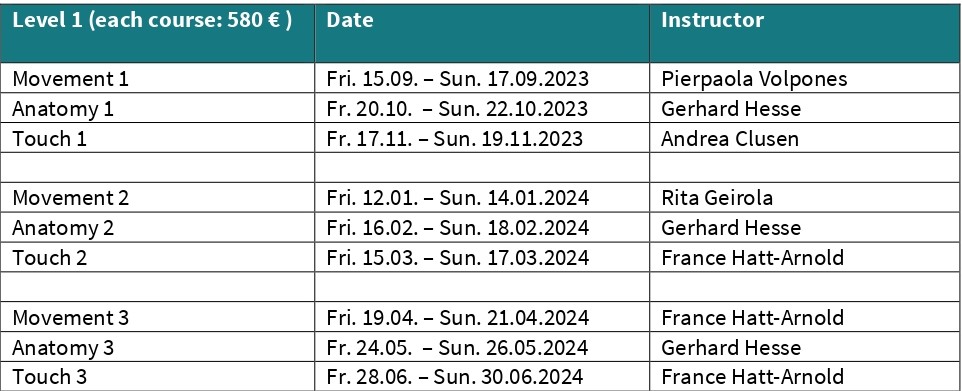
The cost per workshop is € 580,- unless otherwise stated. If you wish to follow all level 1 courses the costs are € 5220,- (click here to purchase all courses at once).
Workshop stages
In each topic, you’ll explore the curriculum in three stages, each stage building on what you learnt. Each workshop focuses on a particular part of the body, set of skills or concepts.
Meet your Rolfing teachers
Your teachers are part of the faculty of the Dr. Ida Rolf Institute Europe with years of international experience as Advanced Rolfers. They’re leaders in their field and all have completed the rigorous teacher training at the European Rolfing® Association e.V. They’re committed to providing you with individual feedback and help you gain confidence with key concepts and new skills.
Akademie is een onderdeel van Esoterra. De administratie wordt verwerkt door Esoterra. Bij een bestelling word je doorverwezen naar het betalingsportaal van Esoterra.
Beheer cookie toestemming
Om de beste ervaringen te bieden, gebruiken wij technologieën zoals cookies om informatie over je apparaat op te slaan en/of te raadplegen. Door in te stemmen met deze technologieën kunnen wij gegevens zoals surfgedrag of unieke ID's op deze site verwerken. Als je geen toestemming geeft of uw toestemming intrekt, kan dit een nadelige invloed hebben op bepaalde functies en mogelijkheden.
Functioneel
Altijd actief
De technische opslag of toegang is strikt noodzakelijk voor het legitieme doel het gebruik mogelijk te maken van een specifieke dienst waarom de abonnee of gebruiker uitdrukkelijk heeft gevraagd, of met als enig doel de uitvoering van de transmissie van een communicatie over een elektronisch communicatienetwerk.
Voorkeuren
De technische opslag of toegang is noodzakelijk voor het legitieme doel voorkeuren op te slaan die niet door de abonnee of gebruiker zijn aangevraagd.
Statistieken
De technische opslag of toegang die uitsluitend voor statistische doeleinden wordt gebruikt.De technische opslag of toegang die uitsluitend wordt gebruikt voor anonieme statistische doeleinden. Zonder dagvaarding, vrijwillige naleving door je Internet Dienst Provider, of aanvullende gegevens van een derde partij, kan informatie die alleen voor dit doel wordt opgeslagen of opgehaald gewoonlijk niet worden gebruikt om je te identificeren.
Marketing
De technische opslag of toegang is nodig om gebruikersprofielen op te stellen voor het verzenden van reclame, of om de gebruiker op een site of over verschillende sites te volgen voor soortgelijke marketingdoeleinden.

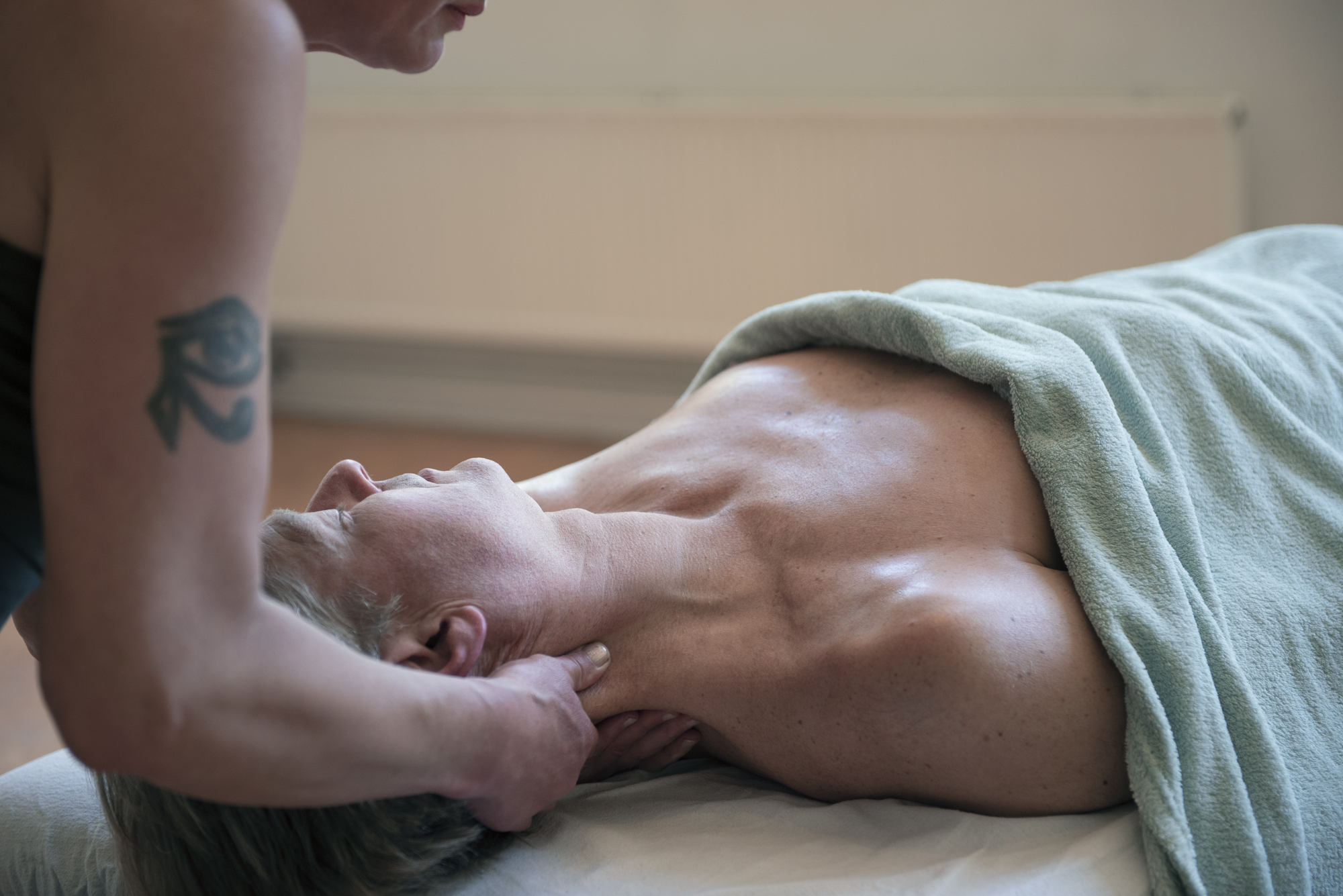

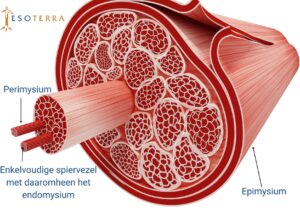 Een andere vorm van spierpijn is verlate spierpijn. Deze spierpijn krijg je pas 24 tot 48 uur nadat je hebt gesport. Verlate spierpijn wordt veroorzaakt door hele kleine scheurtjes in je spiervezels, waardoor je spieren pijn doen en minder belastbaar zijn. Deze spierscheurtjes zijn zo klein dat ze niet slecht voor je zijn. De scheurtjes zorgen er juist voor dat je sterker wordt. Je lichaam gaat de scheurtjes herstellen en er ontstaat een supercompensatie. Dat wil zeggen dat je lichaam zich herstelt boven het oorspronkelijke niveau en zich voorbereidt op de volgende zware belasting door extra spiervezels aan te maken.
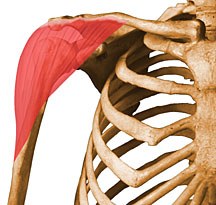 spierscheurtjes kunnen ontstaan door overbelasting. Ook kan het zijn dat je spierpijn krijgt door een slechte warming-up. Verder kun je spierpijn krijgen als je van een warme naar koude omgeving gaat.